Classics.
I studied Latin through high school, far enough to read Vergil in his own words. The Classics are where I learned to read slowly, and where I found out how much of the modern world is built on very old ideas.
01 · Old ideas, still working
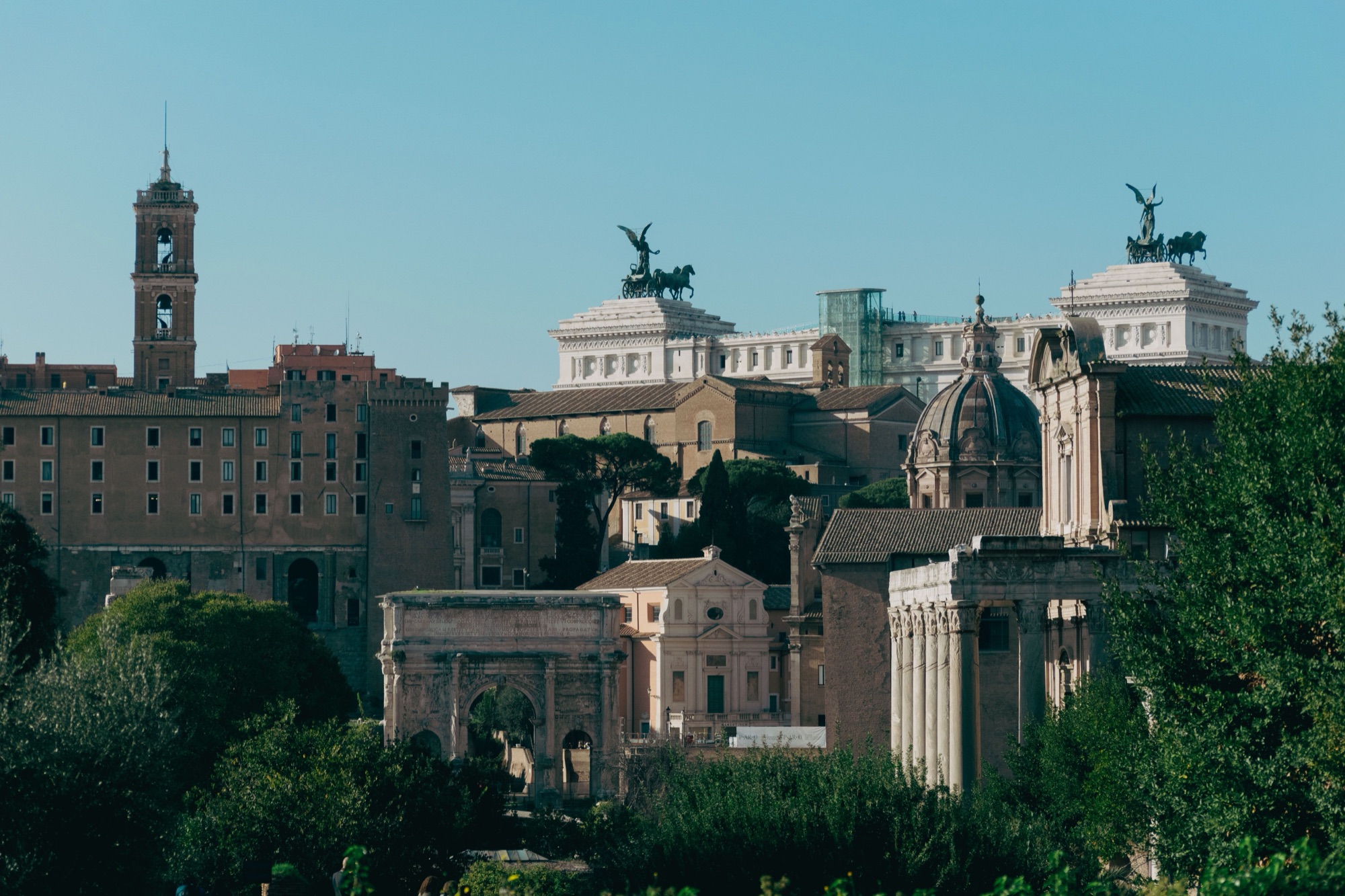
It's easy to think of Greece and Rome as finished, just marble in a museum or a unit in a history class. But most of what I use every day has their fingerprints on it: the alphabet I'm writing in, the structure of an argument, the idea of a republic, and half the vocabulary of medicine. The classical world isn't behind us so much as underneath us.
What keeps me reading isn't nostalgia. It's the shock of recognition when I open a two-thousand-year-old text and find someone worrying about ambition, duty, grief, and luck in ways that feel completely current. The circumstances change. The questions mostly don't.
Forsan et haec olim meminisse iuvabit.
Perhaps one day it will be a pleasure to remember even this.
Vergil, Aeneid I.203
02 · The competitive side
Latin also turned out to be a team sport. Through the Texas Junior Classical League I competed in Latin literature, mythology, and classical geography, advancing to the state competition. The results were good, but the real value was in the preparation. I had to know the myths, the maps, and the texts well enough to be tested on them cold.
03 · In the original
A translation is a summary. Reading Latin as Latin is different: word order is meaning, sound is meaning, and nothing arrives pre-digested. AP Latin meant working through Vergil's Aeneid and Caesar's De Bello Gallico line by line, parsing every construction and weighing why a poet holds a word back until the very end of a sentence.
That kind of reading is slow on purpose, and it taught me more about attention than anything else I did in school: hold the whole sentence in your head, tolerate ambiguity until the grammar resolves it, and never skip what you don't yet understand.
04 · Translations
The texts I worked through in the original Latin, line by line.
05 · The long shadow
I'm headed toward medicine, a field that still speaks Latin daily. Every muscle, nerve, and diagnosis carries a classical name. But the debt runs deeper than vocabulary. Medical ethics still argues with ideas the Greeks put on the table. Political speech still borrows its moves from Cicero. The scientific habit of naming, sorting, and reasoning from first principles is a classical inheritance.
Studying the source material feels like reading the original code instead of the documentation. You start to see which parts of modern life are genuinely new, and which are very old ideas wearing new clothes.
06 · Worth keeping
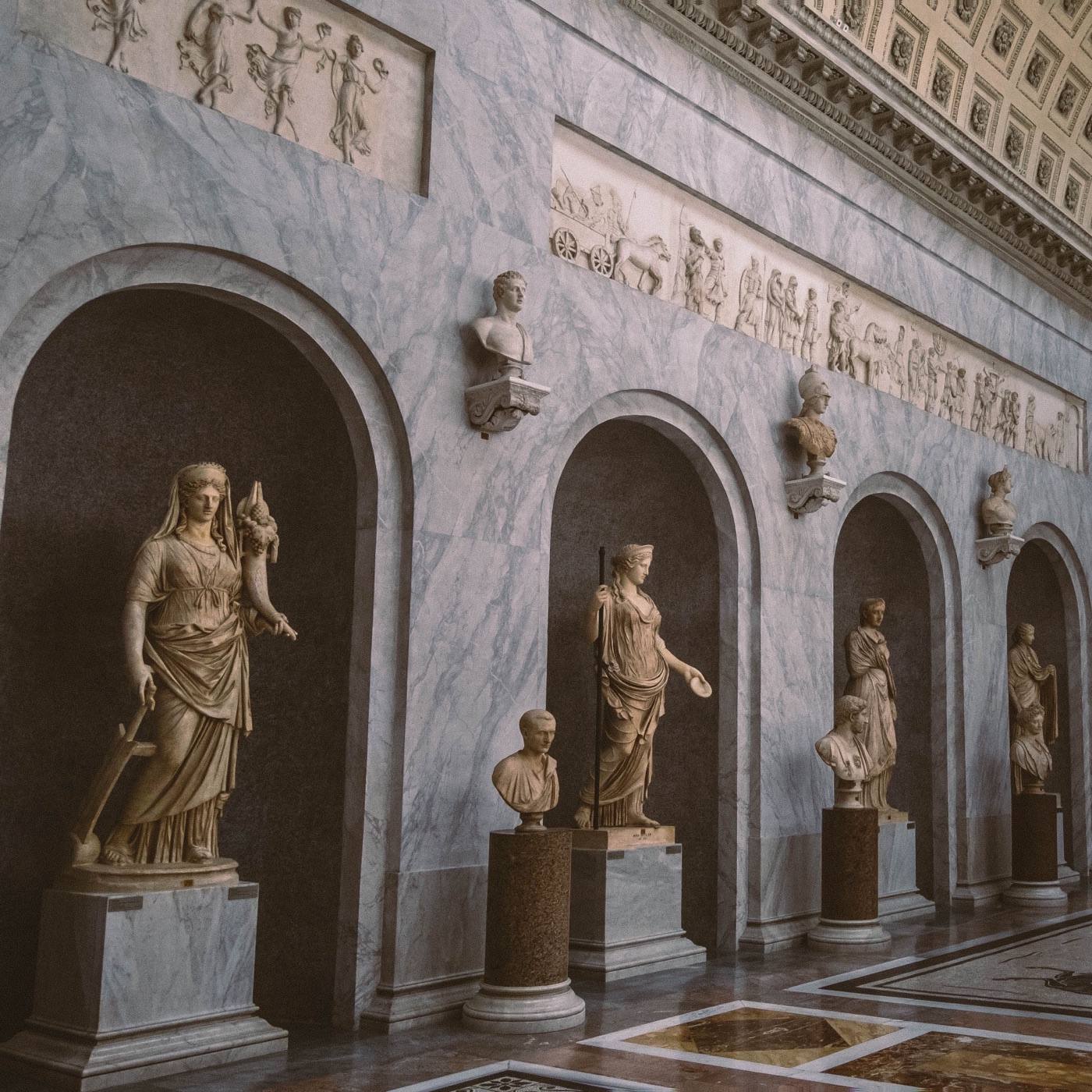
Facilis descensus Averno:
noctes atque dies patet atri ianua Ditis;
sed revocare gradum superasque evadere ad auras,
hoc opus, hic labor est.Easy is the descent to Avernus: night and day the door of dark Dis stands open; but to retrace your step and escape to the upper air: this is the task, this is the labor.
Vergil, Aeneid VI.126–129